Wegovy Hair Loss: What You Should Know

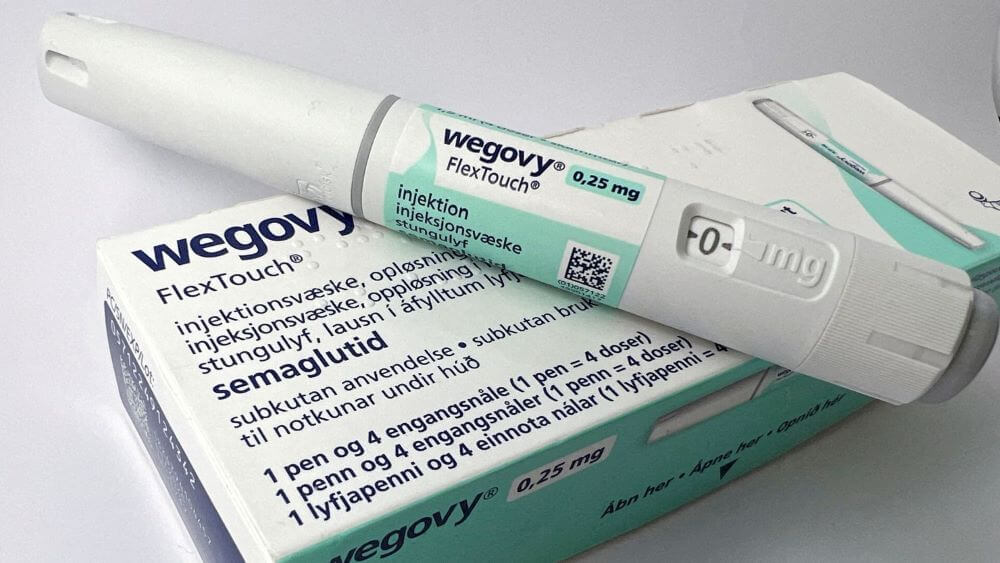
Wegovy has become one of the most widely used medications for medical weight loss, helping many people achieve significant results through its appetite-regulating effects.
However, as more patients begin treatment, questions about unexpected side effects have become increasingly common.
While Wegovy does not directly damage the follicles, some people experience temporary shedding as their bodies adapt to rapid weight reduction and metabolic changes.
This article explains what Wegovy is, why hair loss can occur, how the process works, and the steps you can take to protect your hair throughout your weight-loss journey.
What is Wegovy?
Wegovy is a prescription medication used for chronic weight management in adults with obesity or excess weight, similar to other drugs such as Mounjaro.
Its active ingredient, semaglutide, is a GLP-1 receptor agonist that mimics a natural hormone which helps regulate appetite, blood sugar, and digestion.
By slowing gastric emptying and reducing hunger signals, Wegovy helps patients feel full sooner and maintain a lower calorie intake.
This makes it easier to achieve significant weight loss when combined with lifestyle changes such as diet and exercise.
Can wegovy cause hair loss?
Wegovy can be associated with hair loss, although it is not considered a direct side effect of the medication itself.
While not everyone taking Wegovy will experience this, it is a recognised occurrence in some patients using GLP-1 medications to lose weight.
Why does Wegovy cause hair loss?
Hair loss on Wegovy does not directly damage the hair follicles. Instead, most cases of hair thinning stem from the physiological stress of rapid weight loss.
When the body experiences a sudden drop in calorie intake or a quick change in nutritional balance, it may temporarily shift energy toward essential functions and away from hair growth.
This can push more hairs into the resting (telogen) phase, leading to increased shedding a few months later, a reaction known as telogen effluvium.
In some cases, inadequate protein intake, reduced micronutrient levels, or hormonal changes associated with weight loss can further exacerbate the problem.
The result is noticeable but typically temporary thinning that resolves once the body stabilises.
Wegovy side effects: hair loss and more

So is hair loss a side effect of Wegovy?
Not exactly, temporary hair loss is usually a side effect of rapid weight reduction rather than the medication itself, but it is not the only issue patients may encounter.
The most common side effects involve the digestive system, since semaglutide slows gastric emptying and influences appetite regulation.
Nausea, diarrhoea, constipation, vomiting, and stomach discomfort often appear during the first weeks of treatment as the body adjusts.
Some people may also experience headaches, fatigue, dizziness, or mild changes in blood sugar levels.
While these symptoms are usually temporary, they can become more noticeable during dose increases.
Hair shedding tends to occur less frequently than gastrointestinal effects, but both reflect how the body responds to significant metabolic shifts triggered by treatment.
How to stop hair loss from Wegovy
While hair shedding linked to Wegovy is usually temporary, several strategies can support healthy hair growth and reduce the intensity of telogen effluvium.
Below are practical approaches on how to stop hair loss on Wegovy.
Optimise your nutrition
Rapid weight loss can create nutrient gaps, especially in protein, iron, zinc, and B vitamins. These are all essential for healthy hair follicles.
Ensuring your diet includes enough lean protein, whole grains, fruits, and vegetables can stabilise hair growth while you’re on weight loss drugs.
If needed, blood tests can help identify deficiencies so they can be corrected with targeted supplementation.
Slow down the rate of weight loss
A gentler, more gradual calorie deficit places less stress on the body and results in less dramatic fluctuations in body weight.
For some patients, adjusting the diet plan or temporarily pausing dose increases gives the body time to adapt and reduces the likelihood of hair shedding.
Consider hair-supporting supplements
Biotin, collagen peptides, omega-3 fatty acids, and multivitamins can support hair health, especially during periods of rapid weight loss.
Although not cures, they help provide consistent building blocks for new growth.
Use topical treatments
Over-the-counter options such as topical minoxidil can stimulate follicles and shorten the duration of shedding.
It works by encouraging more hairs to enter the growth phase, making it helpful during telogen effluvium.
Manage stress levels
Physical and emotional stress amplify hair shedding by negatively impacting scalp and hair health.
Techniques such as regular exercise, balanced sleep, meditation, and breathing exercises support overall hormonal balance and can indirectly improve hair density.
Review your Wegovy dosage with your doctor
If shedding becomes severe or persistent, speaking with a healthcare professional can help determine whether a slower titration schedule or a temporary dose adjustment is appropriate.
Never change your dosage without medical guidance on Wegovy and hair loss.
Maintain a gentle hair-care routine
Avoid excessive heat styling, tight hairstyles, or harsh chemical treatments during shedding phases.
A mild shampoo, frequent conditioning, and reduced mechanical stress help protect fragile strands until hair regrowth accelerates.

How long does it take for hair to grow back?
Hair loss caused by Wegovy-related weight reduction is typically temporary, and most people begin noticing regrowth within three to six months once the body stabilises.
Because telogen effluvium follows a natural hair-cycle pattern, shedding usually stops first, then new hairs start to emerge gradually.
Full density can take six to twelve months, especially if the initial weight loss was rapid or if nutritional deficiencies played a role.
With proper nutrition, stress management, and consistent care, the hair cycle usually returns to normal and long-term thinning is uncommon.
Last medically reviewed on February 2nd, 2026
- Haykal D. Alopecia and Semaglutide: Connecting the Dots for Patient Safety. J Cosmet Dermatol. 2025 Mar;24(3):e70125. doi: 10.1111/jocd.70125. PMID: 40087997; PMCID: PMC11909624.https://pubmed.ncbi.nlm.nih.gov/40087997/
- Singh G, Krauthamer M, Bjalme-Evans M. Wegovy (semaglutide): a new weight loss drug for chronic weight management. J Investig Med. 2022 Jan;70(1):5-13. doi: 10.1136/jim-2021-001952. Epub 2021 Oct 27. PMID: 34706925; PMCID: PMC8717485.https://pubmed.ncbi.nlm.nih.gov/34706925/
- Smits MM, Van Raalte DH. Safety of Semaglutide. Front Endocrinol (Lausanne). 2021 Jul 7;12:645563. doi: 10.3389/fendo.2021.645563. Erratum in: Front Endocrinol (Lausanne). 2021 Nov 10;12:786732. doi: 10.3389/fendo.2021.786732. PMID: 34305810; PMCID: PMC8294388.https://pubmed.ncbi.nlm.nih.gov/34305810/
- Tran MM, Mirza FN, Lee AC, Goldbach HS, Libby TJ, Wisco OJ. Dermatologic findings associated with semaglutide use: A scoping review. J Am Acad Dermatol. 2024 Jul;91(1):166-168. doi: 10.1016/j.jaad.2024.03.021. Epub 2024 Mar 29. PMID: 38554940.https://pubmed.ncbi.nlm.nih.gov/38554940/
- Nakhla M, Nair A, Balani P, Ujjawal A, Arun Kumar P, Dasari M, Yukselen Z, Bansal K, Ganatra S, Dani SS. Risk of Suicide, Hair Loss, and Aspiration with GLP1-Receptor Agonists and Other Diabetic Agents: A Real-World Pharmacovigilance Study. Cardiovasc Drugs Ther. 2024 Sep 12. doi: 10.1007/s10557-024-07613-w. Epub ahead of print. PMID: 39264502.https://pubmed.ncbi.nlm.nih.gov/39264502/