Lichen Planopilaris: How to Spot and Stop

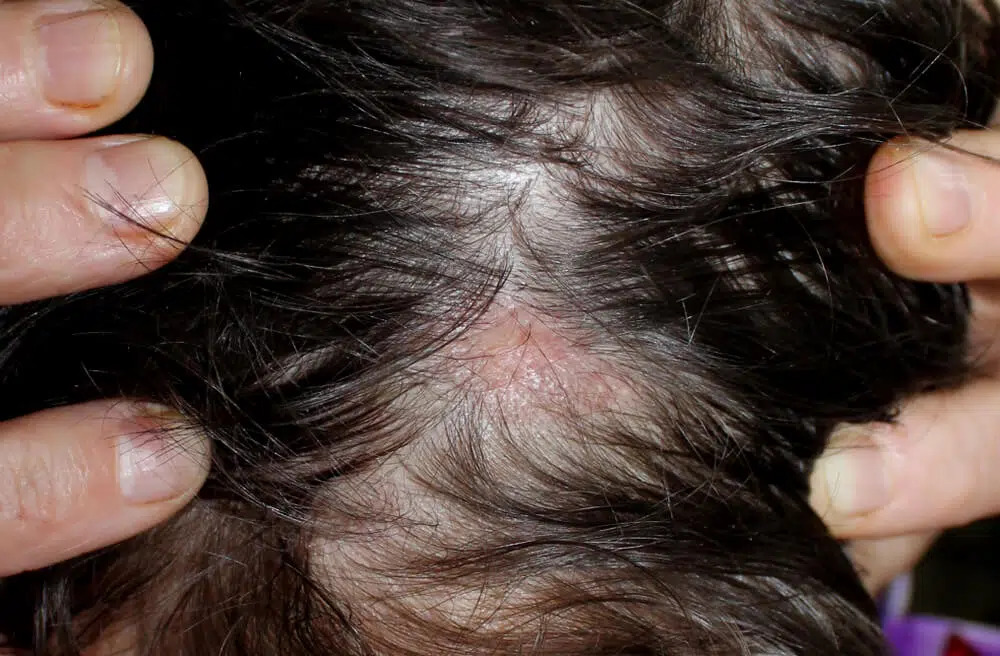
Lichen planopilaris is a rare inflammatory condition that affects the scalp and the hair follicles.
Over time, this inflammation can damage the follicles permanently, leading to patches of hair loss that may not grow back.
Because the process is often slow, subtle, and easy to confuse with more common forms of hair loss, many patients don’t realise something is wrong until significant thinning has already occurred.
The good news is that early recognition makes a major difference in the degree of scalp hair loss.
If you catch lichen planopilaris early, treatment calms the inflammation, protects the remaining follicles, and slows or even stops further hair loss.
The earlier you recognise the signs and consult a dermatologist, the better your chances of preserving as much hair as possible.
This guide explains what causes lichen planopilaris, how to recognise the early symptoms, what to expect during diagnosis, and which treatments can help control lichen planus.
- What causes lichen planopilaris?
- Early lichen planopilaris symptoms
- How is lichen planopilaris diagnosed?
- Lichen planopilaris treatment
- Can you prevent lichen planopilaris scalp disease?
What causes lichen planopilaris?
Experts still don’t fully understand the exact cause of lichen planopilaris, but they believe the condition develops as an autoimmune reaction.
This means the immune system, which normally protects the body from infections, mistakenly attacks the hair follicles instead.
When this happens, inflammation damages the follicles and scar tissue eventually replaces them, which leads to permanent scarring and hair loss.
Several factors are thought to contribute to this immune reaction:
1. Autoimmune dysfunction
Most evidence points to an abnormal immune response as the main trigger.
The immune system targets the follicular stem cells located around the opening of each hair follicle, leading to diffuse hair loss.
Once these cells are damaged, the follicle loses its ability to produce new hair.
2. Genetic predisposition
Some patients seem more likely to develop scarring hair loss due to inherited immune traits.
While there is no single “LPP gene,” people with a family history of autoimmune conditions may have a higher risk.
3. Hormonal influences
Classic lichen planopilaris is more common in women, especially around midlife.
This pattern suggests that changing hormone levels, particularly fluctuations in estrogen, might influence the immune system’s behaviour.
4. Skin barrier dysfunction
Some researchers believe that a weakened scalp barrier may make it easier for irritants, microbes, or allergens to trigger inflammation in the follicles.
5. Possible triggers
Although not proven, several external factors may aggravate or trigger the condition in susceptible individuals.
These can include emotional stress, medications, infections and irritation to the scalp due to poor hair care habits.
The condition results from a complex interaction between the immune system and the hair follicle openings, not from poor hygiene, hair products, or anything you did wrong.
Early lichen planopilaris symptoms

Lichen planopilaris often begins subtly, which is why many patients mistake it for normal shedding or a harmless scalp issue.
However, early symptoms of lichen planopilaris usually follow a recognisable pattern.
Identifying them quickly is crucial because this type of scarring alopecia can cause permanent hair loss if left untreated.
Here are the most common early signs you should look out for:
1. Patchy hair loss
Hair tends to fall out in small, irregular scaly patches rather than evenly.
These areas may slowly expand over weeks or months.
The scalp in these patches often looks smooth, shiny, or slightly pale, which is a sign of scarring underneath.
2. Scalp redness and irritation
Inflammation around the follicles can cause redness, swelling, and increased sensitivity.
Some patients only notice these changes when looking closely in bright light or when a dermatologist examines the scalp with a dermatoscope.
3. Burning, tingling, or pain
Many people describe a burning or itching sensation before hair starts to fall out.
This discomfort may come and go, but it is one of the strongest indicators that inflammation is active.
4. Scaling or flaking around the follicles
Fine white scales may form around the base of each hair.
Unlike regular dandruff, this scaling is often tight, localised, and centred directly at the follicle opening.
5. Increased shedding
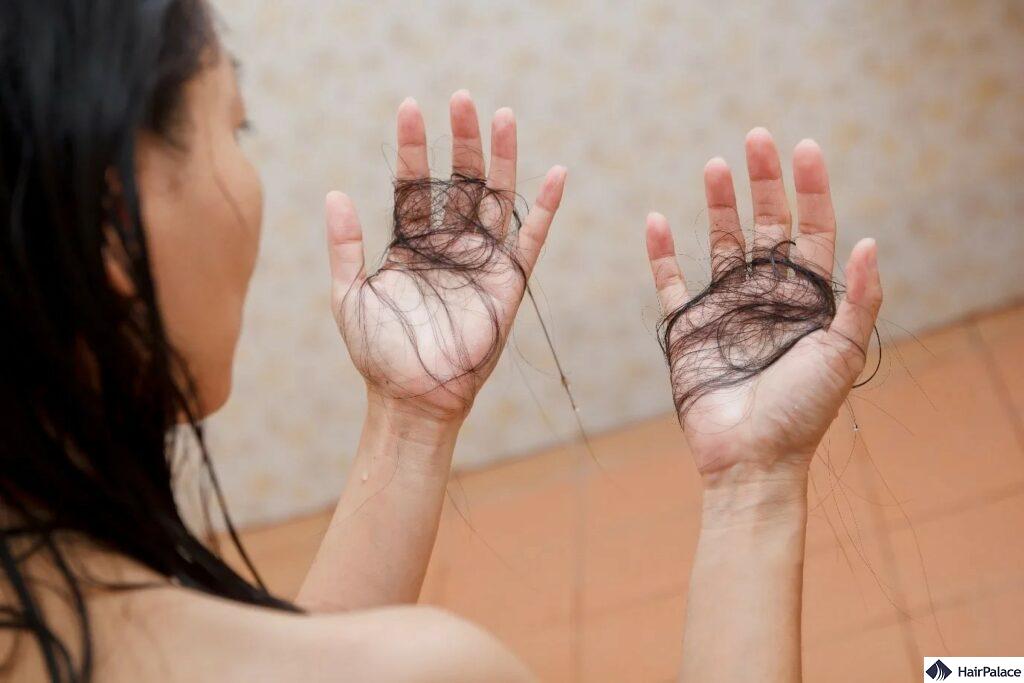
Some patients notice more hair on their pillow, in the shower, or in their brush.
While shedding can happen for many reasons, shedding combined with scalp discomfort or redness should always be investigated.
6. Changes in the hairline or crown
Follicular lichen planus may begin at either the frontal hairline, temples or the crown.
Because these changes resemble androgenetic alopecia, many people confuse the two conditions, which makes a proper medical diagnosis essential.
7. Eyebrow thinning
In a subtype called frontal fibrosing alopecia, the eyebrows may thin early on, often before scalp symptoms become noticeable.
How is lichen planopilaris diagnosed?
Diagnosing lichen planopilaris can be difficult because its early signs look similar to many other types of hair loss.
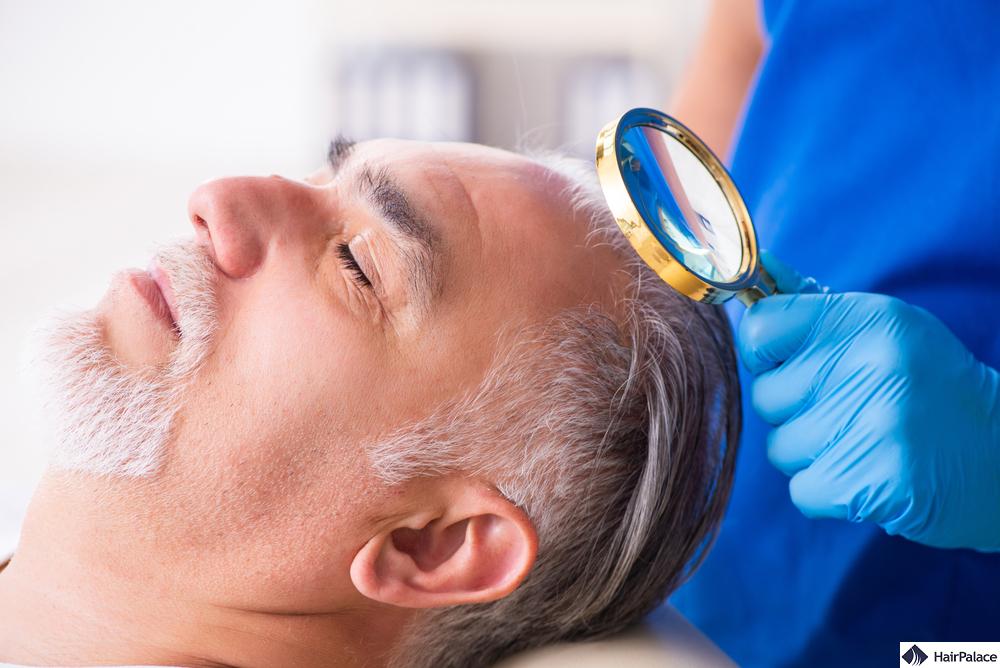
A dermatologist usually needs to combine your medical history, a careful scalp examination, and sometimes additional tests to confirm that inflammation is damaging the follicles.
Early and accurate diagnosis is important because lichen planopilaris can lead to permanent scarring if left untreated.
Diagnosis typically includes the following steps:
- Medical history: Your doctor will ask about when symptoms began and whether you have a history of autoimmune conditions in the family.
- Scalp examination: The dermatologist looks closely at affected areas to check for signs that scarring may be forming.
- Dermatoscopy: A handheld magnifying device allows the doctor to see early changes that are not visible to the naked eye.
- Scalp biopsy: In many cases, confirming the diagnosis requires a small tissue sample from the scalp. This is considered the most reliable diagnostic tool.
- Blood tests: These do not diagnose LPP directly, but they help rule out other diseases that may contribute to hair loss or influence treatment.
- Excluding other conditions: The doctor will also check for more common causes of hair loss, such as androgenetic alopecia or alopecia areata, to ensure you get the right treatment.
Lichen planopilaris treatment

Because lichen planopilaris is a chronic inflammatory condition, treatment focuses on stopping or slowing the immune attack on the hair follicles.
Hair transplantation is typically not advised for lichen planus, as implanted hairs can’t grow in scar tissue.
While there is no permanent cure, many patients can stabilise the disease and significantly reduce symptoms with early and consistent therapy.
Treatment often requires a combination of medications and regular monitoring by a dermatologist.
The good news is that the process often results in lichen planopilaris hair regrowth when the treatment is administered early.
Topical corticosteroids
Topical steroids are often the first choice to treat lichen planopilaris, especially in early or mild cases.
These prescription creams, foams, or lotions reduce inflammation around the follicles and help ease redness, itching, and burning.
They work best on smaller areas and are usually applied several times a week under medical supervision to minimise long-term side effects.
Intralesional steroid injections
For areas where the disease is active, dermatologists may inject small amounts of corticosteroids directly into the affected patches.
These injections target inflammation more precisely than topical treatments and can quickly improve symptoms.
They are typically performed every 4–6 weeks and are especially helpful during flare-ups.
Oral anti-inflammatory medications
Drugs such as hydroxychloroquine or doxycycline are commonly prescribed when lichen planopilaris affects larger areas or when symptoms are persistent.
Hydroxychloroquine helps regulate the immune system, while doxycycline offers both anti-inflammatory and antimicrobial effects.
These medications are often used for several months before noticeable results are observed.
Immunosuppressive therapies
In moderate to severe cases, or when first-line treatments are not effective, stronger medications like methotrexate, cyclosporine, or mycophenolate mofetil may be used.
These drugs work by reducing the activity of the immune system to prevent further follicle destruction.
Because they can have significant side effects, they require regular blood tests and close monitoring.
Topical calcineurin inhibitors
Creams such as tacrolimus and pimecrolimus offer an alternative for patients who cannot use steroids long-term.
They help control inflammation without causing scalp thinning and may be used for maintenance therapy once the disease is stabilised.
Short courses of oral corticosteroids
When the condition worsens rapidly or becomes aggressive, a short burst of oral steroids can help calm inflammation quickly.
However, these medications are not used long-term because of potential side effects, including weight gain, mood changes, and increased blood pressure.
Minoxidil (topical or oral)
Minoxidil does not treat the inflammation itself, but it supports the remaining healthy follicles and helps maintain density.
Many dermatologists recommend using it alongside anti-inflammatory treatment to maximise hair retention.
Low-level laser therapy (LLLT)
Although research is limited, some patients benefit from low-level laser devices, which may reduce inflammation and improve hair density.
This therapy is usually used as a supplementary treatment rather than a primary one.
Can you prevent lichen planopilaris scalp disease?
There is currently no known way to prevent lichen planopilaris hair loss fully.
This is because the condition is believed to stem from a complex autoimmune reaction that cannot be predicted or avoided.
However, while you cannot stop the condition from developing, you can take steps to reduce scalp irritation, lower the risk of flare-ups, and protect your remaining follicles if you already have symptoms.
Gentle hair care, avoiding tight hairstyles, limiting heat styling, and choosing mild, fragrance-free products can help maintain a healthy scalp environment.
Managing stress, treating coexisting scalp conditions early, and attending regular dermatology check-ups also play an important role in controlling the disease.
The most effective form of “prevention” is early detection and prompt treatment, as catching lichen planopilaris in its early stages gives you the best chance of slowing the condition and preserving as much hair as possible.